


I have always wondered why some people who experienced severe trauma in their childhoods are among the kindest and most loving people.
Yet others with similar experiences become bitter and remain frozen in this state. My grandfather was one of them. Even on his deathbed, he still held resentment that his parents hadn't allowed him to go to the school of his choice.
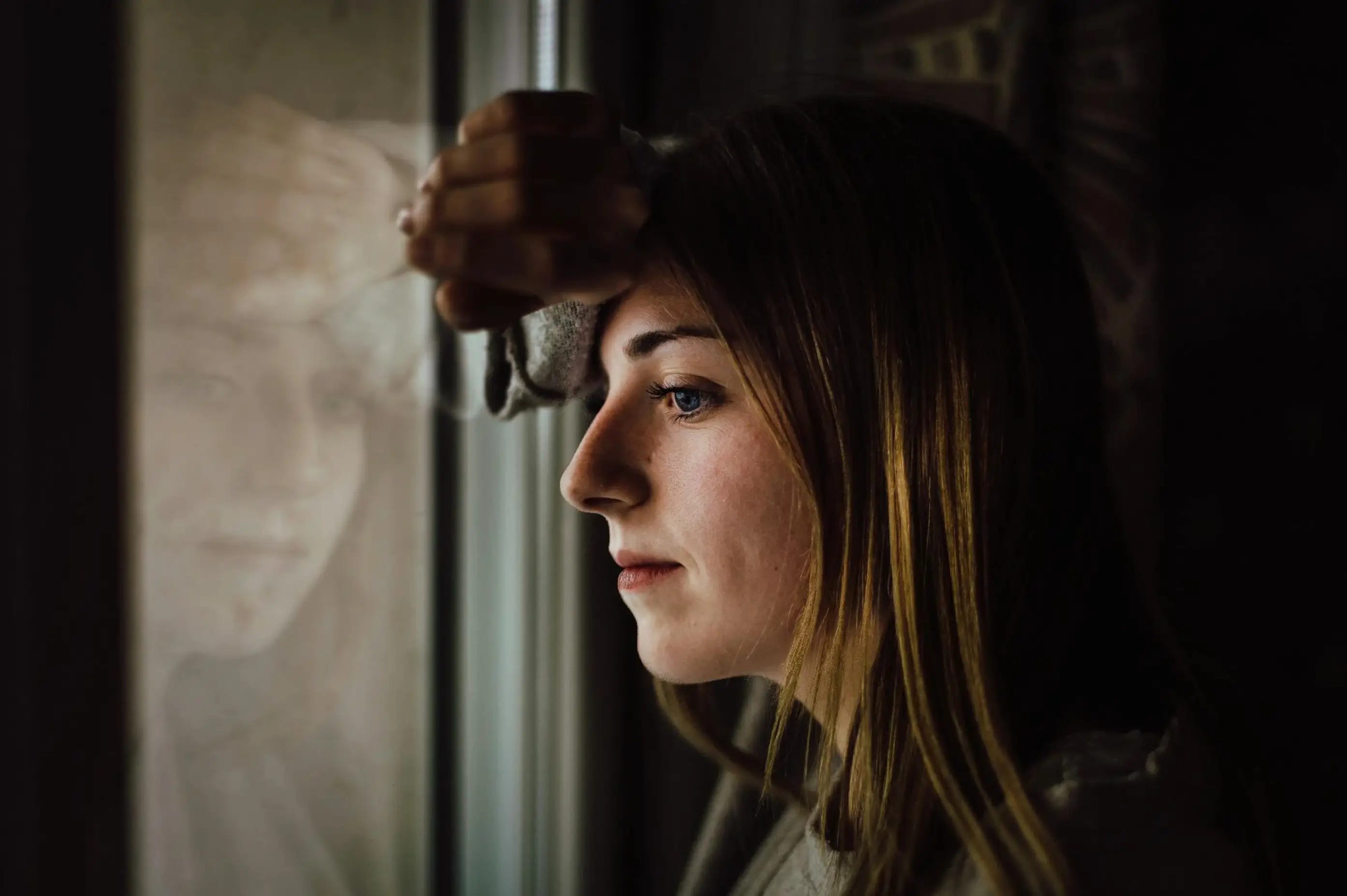
In the following, I'll share how I moved past the resentment that came when I became aware of what really happened in my childhood. I'll also explain why kindness is a superpower that helps overcome generational trauma and finally break the cycle.
Bitterness and resentment are normal reactions
It is terrible what some parents do to their children. And it doesn't make it any better that society regards family as a holy institution that always acts in your best interest.
The pain deepens when no one believes your truth.
It feels like life hates you, and you can do nothing about it.
You feel trapped. All you want is to be heard and seen to ease your pain.
But no one is there to help you, again…
Anger rises. You want to fight the injustice that happened to you.
And this is a completely normal and healthy reaction.
They tell you to get over it and move on
The past is over; stop letting it control your life.
That advice will not help you at all.
Of course, you can try to push your painful memories away. You'd be in good company.
Many people turn to alcohol as an escape, hoping it'll ease their sorrow. But in the long run, this strategy doesn't work. It backfires.
And most likely, you've already tried to push your memories away. That is basically how you survived your childhood.
But now those memories came back to the surface. They don't want to be pushed away again. They need to be processed so that the body no longer needs to keep the score.
Understanding your family dynamics
It’s an important step to understand what happened in your childhood and realize that the trauma caused wasn't your fault.
There was nothing wrong with you.
You deserved a loving and caring family just as much as anyone else.
You were born into a dysfunctional family system that couldn't meet your basic needs for love, connection, and belonging.
In a way, you grew up as a powerless victim. You couldn't escape your family because your survival depended on somehow fitting in.
But a true understanding of the past goes deeper.
You can decide to see your caregivers as bad people. By doing so, you neglect the fact that what they did to you came from somewhere.
Would someone who grew up in a loving and caring environment have done to you what your parents did?
There's a saying that hurt people hurt people. And it carries a lot of truth.
Dig a little deeper into your family line to understand what shaped your parents and made them the way they were. It's often shocking how much trauma is passed down from generation to generation.
In a way, your caregivers are also victims. Of course, that doesn't justify anything they've done to you. But it helps explain… which brings me to the next point.